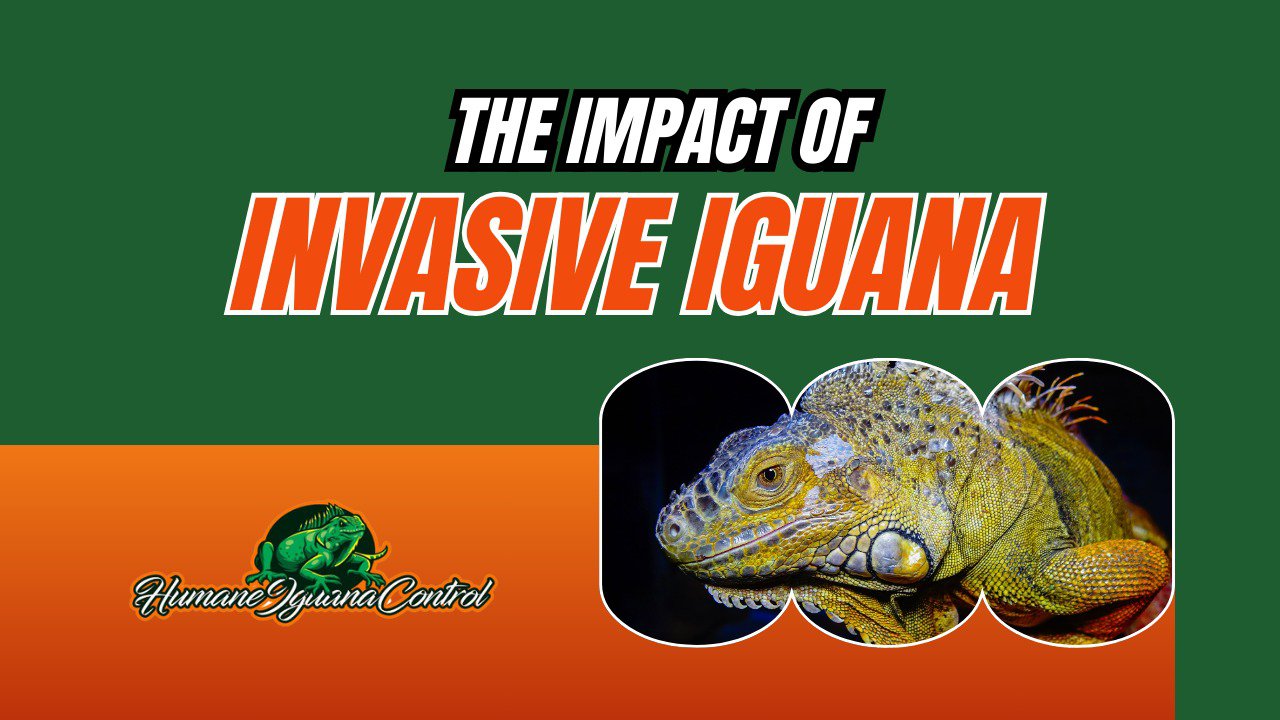
How Invasive Iguanas Are Impacting South Florida’s Ecosystem and Native Species
The Growing Threat We Cannot Ignore
In this eye-opening episode, host Michael Ronquillo explores the serious environmental consequences of South Florida’s iguana infestation. These scaly invaders are not just a nuisance; they threaten the very balance of native ecosystems, pushing endangered species further toward decline, and reshaping the landscape in alarming ways.
Michael shares insights from the field, emphasizing why controlling the iguana population is critical for the survival of Florida's unique wildlife.
How Iguanas Became a South Florida Problem
A History of Introduction Through the Pet Trade
The iguana invasion began innocently enough in the 1960s. Iguanas were imported from Central and South America and sold as pets to Florida residents charmed by their exotic appeal. However, as the reptiles grew too large for owners to manage, many were either intentionally released or escaped into the wild. Over time, their populations exploded, taking full advantage of South Florida’s favorable climate, abundant food, and lack of predators.
Today, owning green iguanas as pets is illegal. Regulations now require previously owned iguanas to be microchipped and properly contained to prevent further ecological damage.
Invasive Iguanas in South Florida Battle for Food Resources
One of the most serious ways iguanas harm the ecosystem is by outcompeting native species for food.
Native animals, such as birds, rely on specific fruits, flowers, and seeds to survive. Iguanas, however, devour these resources rapidly, often leaving nothing behind for native wildlife. This disruption forces native species to search elsewhere for food, and when they cannot find enough, their populations begin to decline.
Michael points out that even iconic species like the burrowing owl and other native birds suffer from dwindling food supplies due to aggressive iguana foraging.
Attacks on Native Wildlife Habitats

Iguanas Invading Burrows and Nests
It is not just about food. Invasive iguanas in South Florida also physically destroy native habitats.
For example:
- Gopher tortoises and burrowing owls create underground nests to lay their eggs.
- Iguanas invade these burrows, often destroying eggs or taking over the space to lay their own.
The more aggressive spiny-tailed iguanas are especially notorious for raiding burrows and contributing to the decline of vulnerable species.
Each destroyed burrow signifies the loss of generations of endangered or threatened native animals, further tilting the balance against nature.
Case Study: The Miami Blue Butterfly
How Invasive Iguanas In South Florida Are Threatening an Endangered Species
Michael highlights a striking example involving the critically endangered Miami Blue Butterfly. This rare butterfly species depends on the nickerbean plant to lay its eggs. Unfortunately, iguanas frequently feed on these plants, reducing available habitat for the butterflies to reproduce.
The loss of the nickerbean plants has been a major factor contributing to the butterfly’s decline in the Florida Keys. While iguanas are not the only reason for the butterfly’s struggle, their role in habitat destruction cannot be ignored.
The Spread of Invasive Plants: An Unexpected Impact

How Iguanas Unintentionally Worsen the Problem
Beyond directly attacking native species and their habitats, iguanas also spread invasive plants.
Here’s how it happens:
- Iguanas consume the fruits and seeds of non-native plants.
- As they move and defecate across landscapes, they disperse seeds.
- These invasive plants sprout and thrive, often choking out native plant life.
The result is an environment increasingly dominated by non-native weeds and brush, leaving even less room for Florida’s indigenous species to recover and flourish.
Important: Invasive plants create a chain reaction, making it even harder for native ecosystems to restore their natural balance.
Why Natural Predators Are Not Enough
Lack of Checks and Balances in Urban Areas
In the wild, iguanas face natural predators like alligators, large snakes, and birds of prey. However, in urban and suburban environments, these predators are largely absent.
While small snakes and hawks might catch an iguana now and then, the predator-to-iguana ratio is far too low to curb the booming population. This imbalance allows iguana numbers to grow unchecked, exacerbating all the problems they cause.
Urban areas such as Coral Gables and Miami are now seeing significant impacts because of this lack of natural control.
Humane Iguana Control: Fighting Back to Save the Ecosystem

Why Michael Ronquillo Started the Mission
Michael shares that a major reason he founded Humane Iguana Control was to help protect Florida’s ecosystem.
Witnessing firsthand the damage caused by invasive iguanas to native wildlife inspired him to act. Similar to the issues caused by Burmese pythons in the Everglades and lionfish in Florida’s coastal waters, green iguanas represent a growing ecological threat.
Through dedicated iguana removal efforts, Michael’s company has made a noticeable difference:
- Thousands of iguanas removed from sensitive areas
- Eradication efforts at schools, private properties, and community associations
- Reduced infestations leading to a healthier environment for native species
These actions demonstrate that, with sufficient effort, it is possible to reverse the trend, at least in certain areas.
Our Responsibility: Protecting South Florida’s Native Wildlife
Small Steps, Big Impact
Michael emphasizes that controlling the iguana population is not just a professional mission — it is a community responsibility.
Every removed iguana helps protect:
- Endangered species like the burrowing owl and theMiami Blue Butterfly
- Native birds and reptiles
- The balance of local ecosystems
- The future beauty and biodiversity of South Florida
By staying informed, supporting removal efforts, and educating others, residents can play an important role in preserving their environment.
Stay Informed: The Fight Against Invasive Iguanas Continues

As The Iguana Chronicles continues, Michael promises more insights, true stories, and education about the ongoing battle against invasive species. Each episode sheds light on the hidden costs of ignoring the problem and offers practical advice on how to be part of the solution.
South Florida’s wildlife depends on us.
Stay tuned, stay proactive, and together, we can make a difference.
About The Author

Related Posts

Using Clear Tree Wrap That Helps Protect From Iguanas

Defending the Wild: Ron McGill on Wildlife Conservation and the Iguana Invasion