Defending the Wild: Ron McGill on Wildlife Conservation and the Iguana Invasion
Introduction: A Voice for the Wild
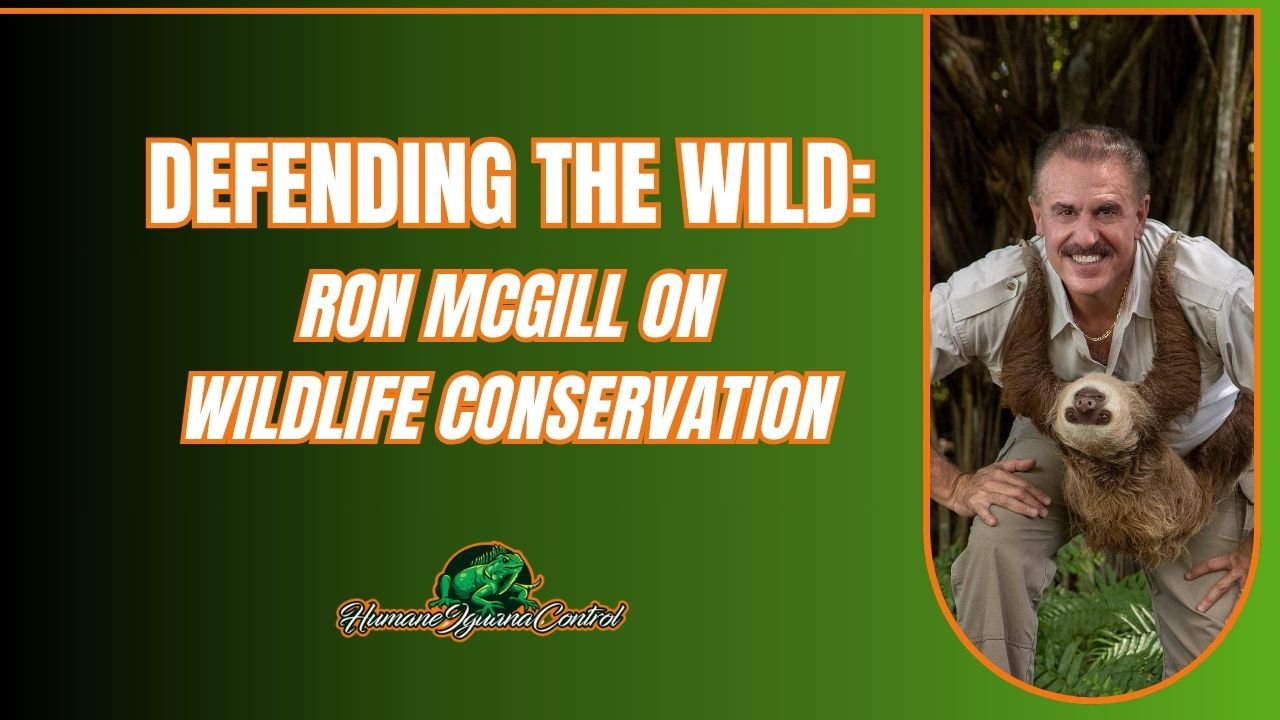
In this episode of The Iguana Chronicles, host Michael Ronquillo welcomes a guest whose name carries weight far beyond Miami-Dade County: Ron McGill. Known for his decades-long work in wildlife conservation, education, and wildlife advocacy, McGill joins Michael to discuss everything from local environmental victories to invasive species control and the role of social media in activism. What follows is a passionate and inspiring conversation that blends science, storytelling, and a shared commitment to protecting Florida's fragile ecosystems.
Wildlife Conservation Wins and Social Impact
Miami Wilds Victory: When Conservation Wins
Ron McGill opens the episode with one of his proudest achievements: the victory against the proposed development of the Miami Wilds water park. For the first time in over four decades, McGill witnessed development lose to conservation. Thanks to an outpouring of public support, petitions, and social media-driven advocacy, the US Fish and Wildlife Service designated Zoo Miami as a critical habitat, blocking construction plans.
This wasn’t just about saving a piece of land. As McGill points out, it set a precedent. It proved that when communities organize respectfully, their voices can shape policy. “When the people lead, the leaders will follow,” he says.
The Power—and Pitfalls—of Social Media

McGill emphasizes the dual nature of social media. While it played a major role in rallying support against environmentally destructive developments, it’s also filled with misinformation and sensationalism. With AI-driven content and manipulated imagery, McGill warns listeners to be skeptical and informed. “Social media is the toilet bowl of the internet,” when misused, he says, but when wielded responsibly, it’s one of our most powerful tools for public education and mobilization.
Wildlife Protection and the Role of Zoos
Local Wildlife: Unsung Heroes of the Ecosystem
The conversation transitions into the importance of Florida’s native species. Raccoons, possums, foxes, and even maligned creatures like coyotes and feral cats play complex roles in maintaining ecological balance. McGill passionately defends possums, calling them “the cleanup crew” for their appetite for ticks and decaying organic matter. He warns against free-roaming domestic cats, calling them the most invasive species in the country, responsible for the deaths of billions of birds and small animals.
He stresses the need for public education: wild animals aren’t pests to be feared, but rather keystone species essential to environmental health.
A Life Devoted to Conservation
McGill shares his 45-year journey from the old Crandon Park Zoo in Key Biscayne to Zoo Miami. In his early days, animal enclosures were little more than metal cages. He has since been part of the movement to revolutionize animal care and enclosure design, from concrete cells to immersive, habitat-focused spaces.

The goal? To make zoos part of the solution, not the problem. McGill is blunt: if the zoo is the last place to see these animals, we have failed. Through projects like the breeding and reintroduction of Texas horned lizards and Puerto Rican toads, Zoo Miami continues to support wild populations, not just showcase animals.
Invasive Species: Community Impact and Control
The Iguana Invasion: A Threat That Hits Home
When the conversation shifts to Florida’s invasive iguana population, McGill doesn’t hold back. What started as a novelty has grown into a costly, destructive issue. These non-native reptiles damage seawalls, undermine roads, decimate vegetation, and pose health risks with their feces.
He explains how iguanas are also salmonella carriers, adding to the public health risk. While the reptiles aren’t aggressive, trying to catch one can result in serious injury. “They don’t want to hurt you,” he says, “but they will defend themselves.”

Humane removal, McGill insists, is the only responsible way forward. The state mandates euthanasia upon capture to prevent re-release. There’s no easy solution, but organizations like Humane Iguana Control are helping mitigate the problem through ethical intervention.
Schools, Safety, and Community Responsibility
Michael shares that Humane Iguana Control has worked with schools across South Florida, removing hundreds of iguanas to protect children from both injury and illness. McGill applauds these efforts, emphasizing that such initiatives are crucial for public safety. “We’re not just protecting wildlife,” he says. “We’re protecting ourselves.”
Final Thoughts and a Call to Action
Advice for the Public: Speak Up, Respectfully
When asked what listeners can do to help protect local parks and wildlife, McGill offers timeless advice: use your voice. Show up. Write respectfully. Organize without hostility. The Miami Wilds outcome is proof that collective action works when it’s done with respect and purpose.
Reflections: Conservation is a Privilege

In closing, McGill reflects on his role not as a solo hero but as a storyteller. “I get more credit than I deserve,” he says. He honors the scientists and conservationists working behind the scenes, admitting he’s simply been lucky to have the platform to amplify their work. From harpy eagles in Panama to cheetahs in Africa, McGill has made it his mission to turn admiration into action.
As always, The Iguana Chronicles leaves us with a call to awareness. Whether it’s an invasive reptile in your yard or a misguided development in your neighborhood, conservation begins with curiosity, education, and action.
Until next time, keep an eye out for those iguanas.