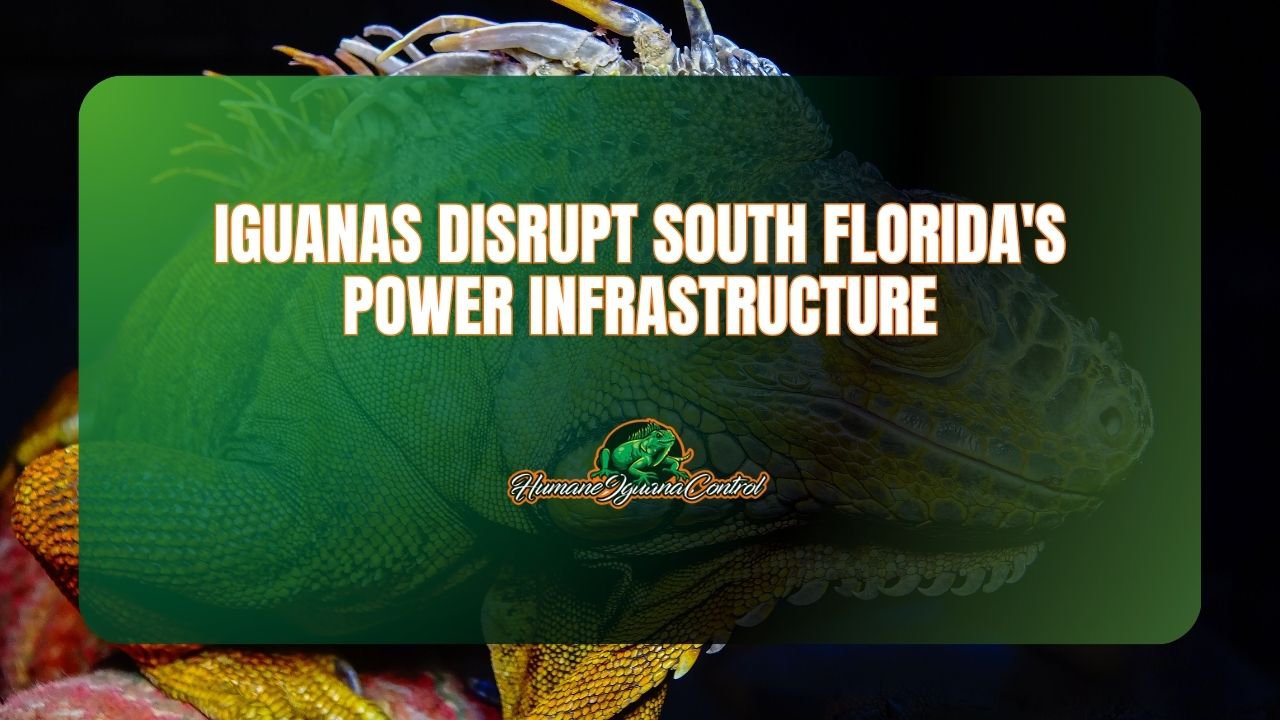
Protecting Power Stations from Iguanas
Remove Iguanas in Power Stations due to An Unexpected Power Risk
In this episode of The Iguana Chronicles, host Michael Ronquillo shifts the focus to a lesser-known but growing concern: how invasive iguanas are threatening South Florida’s electrical infrastructure. From unexpected power outages to costly repairs, these curious reptiles are finding their way into critical utility sites like those maintained by Florida Power & Light (FPL). The episode outlines the challenges posed by iguanas in these areas and offers solutions for mitigating the risks. Find out why you should remove iguanas from power stations and electrical outlets.
The High-Stakes Problem of Power Outages
Iguanas and Infrastructure Don’t Mix
While many know iguanas for lounging in backyards or sunbathing on rooftops, few realize that these reptiles frequently infiltrate electrical facilities. Michael explains that iguanas are naturally curious and agile climbers, which makes fenced utility compounds an appealing destination. Unfortunately, when an iguana gets too close to sensitive electrical equipment, it can trigger widespread outages.
A single incident can affect hundreds, or even thousands, of residents and businesses. Michael points out, “When the power goes out, everything shuts down: homes, hospitals, law offices. If backup systems fail, the consequences could be serious.”
Documented Cases of Iguana-Related Outages
The Florida Keys, including Key West, have seen their share of reptile-triggered blackouts. These aren’t isolated cases. Across South Florida, iguanas have disrupted service by climbing onto transformers, invading breaker boxes, or short-circuiting power grids. These outages lead to financial losses, damaged electronics, and reputational harm for utility providers.
Physical Barriers as a First Line of Defense

Plexiglass Panels: Simple but Effective
One of the most effective tools in the fight against iguana intrusion is plexiglass. Humane Iguana Control recommends installing smooth, three-foot-tall plexiglass panels along the perimeter of utility compounds. “The material is too slick for iguanas to climb. They try, then fall back down. It works like a charm,” Michael says.
These clear barriers are low-profile, meaning they don’t interfere with visibility or operations at the facility. They also don’t require electrical power or sensors to function, making them a cost-effective and passive solution.
Vegetation Management: Trimming the Gateway
Another key tactic is vegetation trimming. Overgrown trees and shrubs near fences create easy access routes for iguanas. By cutting back limbs and foliage, facility managers remove these natural bridges and reduce points of entry. Michael notes, “We’ve seen iguanas walk right over a fence using a low-hanging palm frond.”
Structural Risks from Below the Surface

The Hidden Threat of Iguana Burrowing
While above-ground entry gets the most attention, iguanas are also undermining infrastructure from below. These reptiles are skilled diggers and create deep burrows, often beneath sidewalks, fence lines, or concrete pads.
As water from rain or sprinklers seeps into the burrowed areas, the soil erodes, eventually leading to ground collapse. This poses serious safety risks and can damage critical platforms that house sensitive electrical equipment. Michael warns, “The damage isn’t always visible, until the concrete starts cracking or caving in.”
Monitoring and Maintenance
Humane Iguana Control offers monthly monitoring services that include inspections for burrowing activity. When burrows are identified, the team takes action by removing the iguanas, filling the burrows properly, and implementing deterrent strategies to prevent re-entry.
The Long-Term Strategy: Eradication and Prevention

Active Removal Services
The most direct solution is to remove the iguanas from the area. Humane Iguana Control specializes in humane and legal iguana capture, using a combination of traps and nighttime removal methods. Michael explains, “The earlier we get them out, the better the outcome. Once they start nesting or burrowing, the problem escalates.”
Preventing Reinfestation
Long-term success depends on a continuous plan. After the initial removal phase, Humane Iguana Control recommends an ongoing maintenance program. This includes routine site visits to trap new iguanas that may wander in from surrounding properties. “Think of them like roaches,” says Michael. “They’ll come back unless you stay on top of it.”
Protecting South Florida’s Power Future

More Than Just an Inconvenience
When electrical service goes down due to an iguana, it’s not just an inconvenience—it’s a public safety issue. Hospitals, traffic signals, refrigeration, and communications can all be disrupted. The cost of prevention is minor compared to the consequences of an unexpected outage.
A Call to Action for Utility Providers
Michael urges facility managers and regional planners to take proactive steps now. “Don’t wait until an outage happens,” he says. “Reach out to professionals who understand this problem and can help you stay ahead of it.”
Don’t Let Iguanas Short-Circuit Your Operations
As South Florida’s iguana population continues to grow, so do the risks to critical infrastructure. Fortunately, innovative solutions like plexiglass barriers, vegetation management, and professional iguana removal services are available.
To learn more or schedule a consultation, visit humaneiguanacontrol.com.