New GSA Directive Mandates Water Testing in Federal Buildings: What Property Managers Need to Know
Water safety in federal buildings has become a top priority following the General Services Administration’s (GSA) new directive. Property management companies leasing to federal agencies are now required to conduct water testing to prevent health risks associated with waterborne pathogens like Legionella. This mandate affects thousands of properties across the U.S., leaving property owners scrambling to comply with the new regulations. In this article, we explore the background, challenges, and implications of the directive, along with expert advice on how to navigate these requirements effectively.
GSA’s Water Testing Directive

The GSA's new water testing mandate impacts approximately 8,000 federally leased buildings across the United States. These buildings, whether fully or partially leased to federal agencies like the FDA or TSA, must comply with the directive to monitor water safety.
The directive arises from concerns about stagnant water during the COVID-19 pandemic. As buildings remained unoccupied or saw reduced water usage, disinfectants degraded, creating ideal conditions for Legionella and other waterborne pathogens to thrive. The directive aims to identify and address these issues before they result in outbreaks or other public health risks.
The Scope of the Directive
The GSA mandate requires comprehensive water testing to target a range of potential contaminants. Property managers must test for the following:
- Legionella (including various species, not just Legionella pneumophila)
- Lead and copper levels
- Total coliforms and E. coli
This testing is necessary in leased areas and in common spaces where federal employees or visitors may be exposed to water. The process includes testing fixtures like faucets, drinking fountains, and showers, as well as water sources outside buildings, such as backflow preventers.
Challenges for Property Management
One of the biggest challenges facing property managers is the lack of preparation and specialized expertise in water testing. The sudden introduction of the mandate has left many overwhelmed. There is a critical shortage of professionals qualified to carry out these tests, as property management companies are not allowed to collect samples themselves. Independent third-party professionals with proper credentials must be hired.
Moreover, the sampling process is complex. Samples must be collected during specific timeframes and delivered to laboratories within 24 hours. Logistical challenges, such as coordinating with laboratory schedules and ensuring proper water fixture access, further complicate the process.
Legionella: Understanding the Risks

Legionella, the primary pathogen targeted by the directive, presents a significant risk, particularly in buildings with stagnant water. High-rise buildings are especially vulnerable, though both new and old properties may be affected. The importance of regular water sampling cannot be overstated, as undiagnosed cases of Legionnaires’ disease often go unreported. Legionella is a nationally notifiable disease, meaning any outbreak must be reported to local and state health departments.
The increasing frequency of Legionnaires’ disease outbreaks in recent years underscores the need for heightened vigilance. Many cases likely stem from contaminated water systems in buildings where routine water testing was not performed.
Legal and Financial Implications
Failing to comply with the GSA directive or managing an outbreak can have serious legal and financial repercussions. In recent years, lawsuits related to Legionnaires’ disease have become more common, with property owners and management companies facing significant liabilities. Remediation costs for addressing Legionella contamination can range from $150,000 to $250,000, with additional costs for retesting. Insurance policies are increasingly less likely to cover these expenses, leaving property owners to bear the full cost of compliance and remediation.
Health Risks and Statistics
Legionella is the leading cause of waterborne disease-related deaths in the U.S., surpassing all other waterborne pathogens combined. Legionnaires’ disease, a severe form of pneumonia caused by Legionella exposure, has a fatality rate of around 10% in community-acquired cases. The risks are even higher in healthcare settings, with up to a 25% fatality rate, even when treatment is administered.
Qualifications and Expertise
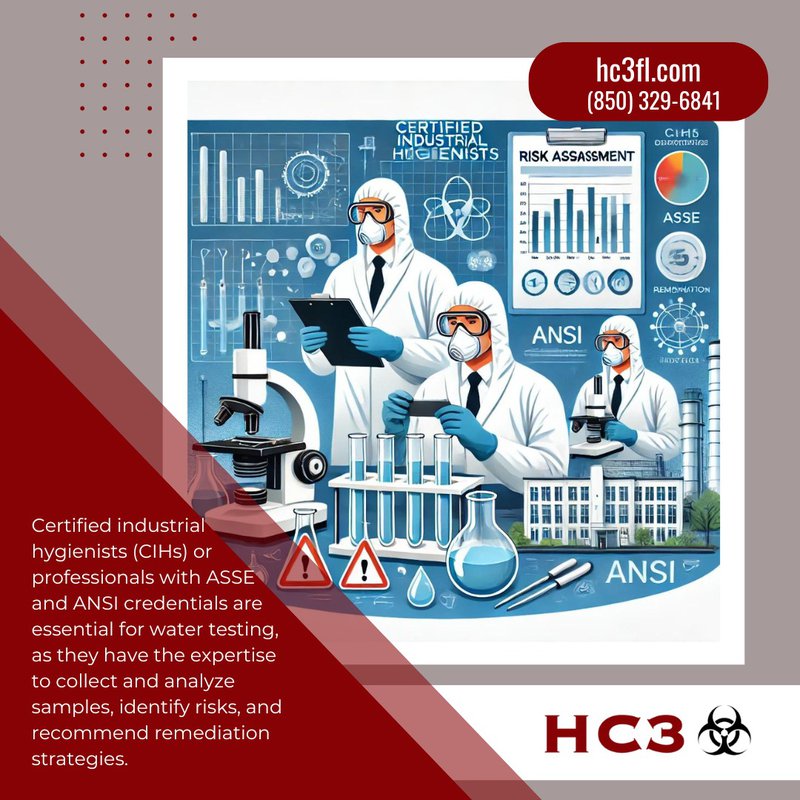
The complexity of water testing and remediation efforts highlights the need for certified professionals. The GSA directive requires certified industrial hygienists (CIHs) or individuals with credentials under ASSE and ANSI standards to conduct water testing. These professionals possess the specialized knowledge to collect and analyze samples, identify risks, and recommend remediation strategies.
However, finding qualified professionals is a significant challenge for property management companies. Many CIHs do not specialize in water testing, making locating experts who can perform the required testing and remediation difficult.
Requirements and Procedures
The directive outlines specific requirements for testing, including:
- Sampling for Legionella, lead, copper, total coliforms, and E. coli
- Proper coordination with facility staff
- Accurate inventory of water fixtures and access points
- Strict timelines for sample collection, analysis, and reporting
The sampling process must be completed within narrow timeframes to ensure accurate results. Test results typically take two weeks, and with the 90-day compliance window, property managers must act quickly to avoid falling behind schedule.
Recommendations
Property owners and managers must approach this mandate with caution. DIY remediation efforts are strongly discouraged due to the complexity of the testing and remediation process. Instead, hiring certified industrial hygienists ensures that testing is done correctly and efficiently. Companies like HC3 can assist with the testing process, providing expertise and guidance to ensure compliance with the GSA directive.
Education and Future Steps

Property management companies must stay informed as the landscape of water safety in federal buildings continues to evolve. Regular education, such as updates from experts like Dr. David Krause and the team at HC3, can help organizations stay ahead of potential issues. Property managers should visit HC3's website and sign up for newsletters to stay updated on new developments.
Broader Implications and Unanswered Questions
The GSA’s water testing directive has far-reaching implications for a wide range of properties. Even small buildings over 1,000 square feet that are leased to federal agencies must comply. This directive represents the largest cross-sectional study of Legionella contamination in the U.S., and its findings could reshape how we understand water safety in buildings.
A major unanswered question concerns how property managers should handle testing results in partially leased buildings. Legal obligations, potential contamination in common areas, and remediation costs will likely become points of contention as more buildings undergo testing.
Final Thoughts
The GSA directive represents a critical step in safeguarding water quality in federally leased buildings. However, property managers' challenges—from logistical hurdles to finding qualified professionals—require immediate action. By staying proactive and working with certified industrial hygienists, property owners can mitigate risks, ensure compliance, and protect both occupants and their own legal and financial interests.