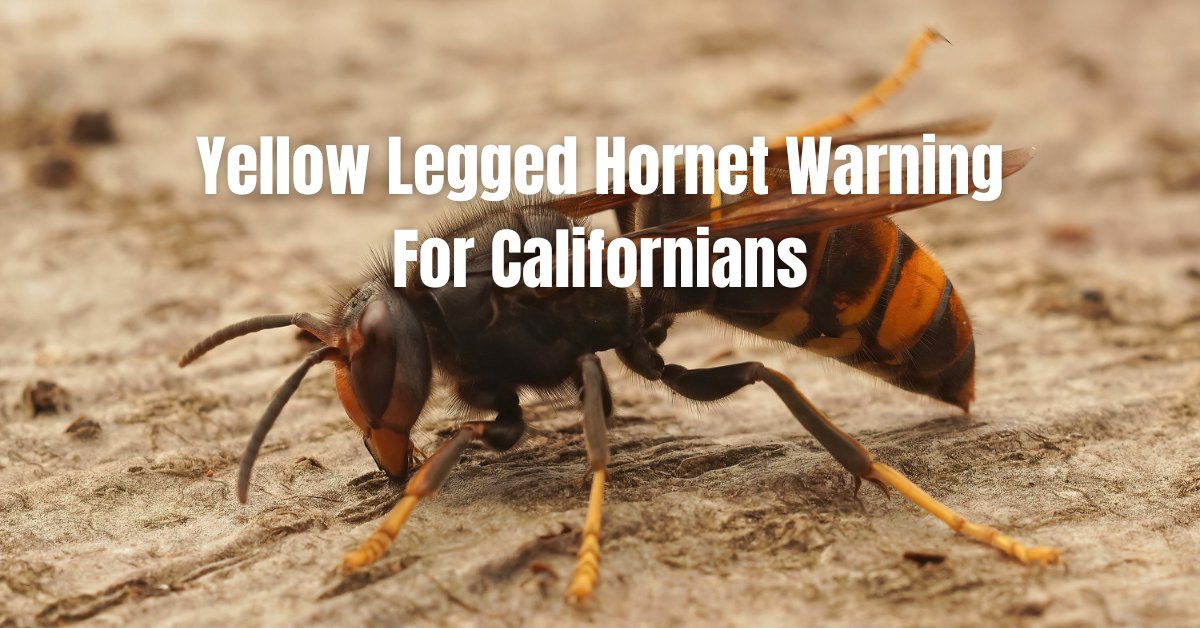
Yellow-Legged Hornets: A Growing Concern for California
Yellow-legged hornets have recently become a significant concern in California. This invasive species, first identified in South Carolina, poses a serious threat to the ecosystem. The potential dangers of these hornets are substantial and could devastate the local bee population. It is not if they arrive in California, but more when they will arrive. The invasive hornet is rapidly expanding its reach, now infiltrating states such as North Carolina, with its sights set on conquering even more territories throughout the United States. Homeowners see them as a potential threat and definitely unwelcome, just like an uninvited guest who poses a danger to your home and livelihood.
Originating from Asia, these invasive pests bring a great risk of devastation. It is also important to note these invasive hornets are incredibly dangerous to live stock and are aggressive in nature.
Recognizing the Yellow-Legged Hornets
The Yellow-legged Hornet (Vespa velutina), also known as the Asian Hornet, has distinct physical traits that make it identifiable. These hornets have a dark brown or black velvety body with a brown abdomen and a wide yellow-orange band. The tips of their legs boast a striking yellow color, and they are slightly smaller than the European hornet, typically measuring around 1.2 inches in length.
Identifying Yellow-Legged Hornet Nests
You can identify the differences in these nests below. This image was found on a press release by the North Carolina Department of Agriculture and Consumer Services. This release certainly highlights the potential of the invasive hornet.

Appearance: Primary nests are small and often located in sheltered places such as garages, sheds, or under eaves. Secondary nests are larger, resembling a gray, spherical ball, and can be found up to 20 meters high in trees.
Location: Typically found at heights in trees, these nests can also be located in man-made structures, hedges, and bushes.
Differentiating from Other Hornets
These hornets are unlike others and one of the noticeable differences is the size of the individual hornet. They are much bigger than our other hornets and are very aggressive. It is crucial for Californians, especially those in areas close to confirmed sightings, to be vigilant and able to differentiate these invasive hornets from other common ones such as the bald-faced hornet (Dolichovespula maculata). Unlike the gray paper nests of local hornets, the Yellow-legged Hornet’s nests have a distinct, outwardly layered texture. But what also sets them apart is the ominous dark sounding buzz that you can hear from them. It is like something out of a horror movie and brings a blood-curdling chill to your bones.

The Dangers to California
These hornets are not only a threat to native insect populations but also pose risks to humans and pets. Like all hornets, they are aggressive in protecting their nests. Second only to the giant Asian hornet, these pests can seriously impact the native ecosystem. Their stings can be particularly painful and dangerous, especially to those with allergies. The rural areas where we reside in California could potentially endanger ranchers and their livestock or horses. Taking species threats seriously is crucial to safeguarding the well-being of pets, livestock, and your family.
Perhaps though one of the greatest dangers to our ecosystem is the potential to destroy our native bee populations. These hornets are known to prey on honeybees, which are crucial pollinators for many of California's agricultural crops. The decline in honeybee populations can lead to reduced crop yields, impacting the state's economy and food supply. Additionally, yellow-legged hornets compete with native species for resources, potentially disrupting existing ecological balances. Their nests, often built in hard-to-reach places like high trees or underground cavities, pose significant challenges for eradication efforts. Effective management strategies are urgently needed to mitigate their spread and protect both human health and biodiversity in the region.

Likelihood of Spread
It is not a case of if they arrive, but when they arrive and that is because we have a perfect environment for the survival and thriving of the invasive species. Our natural habitats and a lack of natural predators make the likelihood of these hornets spreading throughout California significant. To safeguard California's environment and ensure public safety, kindly notify the Department of Agriculture immediately of any sightings of this invasive species.
Actions to Take if You Encounter a Yellow-Legged Hornet
If you see a hornet that you suspect to be the yellow-legged variety, do not engage. These insects are known for their aggressive nature and larger size, and their stings can be especially dangerous. Here’s what you should do:
- Immediately contact the California Department of Agriculture: They are equipped to handle invasive hornet species and can guide the next steps.
- Document the sighting: Take a photo or video from a safe distance and note the location and time.
- Do not attempt to remove or destroy nests: This should only be performed by pest control professionals.

Final thoughts on the dangers of the asian hornets infestation
As we mentioned before; dealing with these invasive hornets is of paramount importance, because the threa to Native insect populations and local biodiversity in California will suffer devastating impacts if we don’t. The recovery from this may be so difficult it could be impossible to achieve. Therefore we must Prioritize safety and contribute to protecting California’s rich ecosystem by reporting any sightings to authorities. Contact local pest control specialists to deal with any potential hornet infestations and safeguard your home and business from the dangers of yellow-legged hornets who are not welcome here.