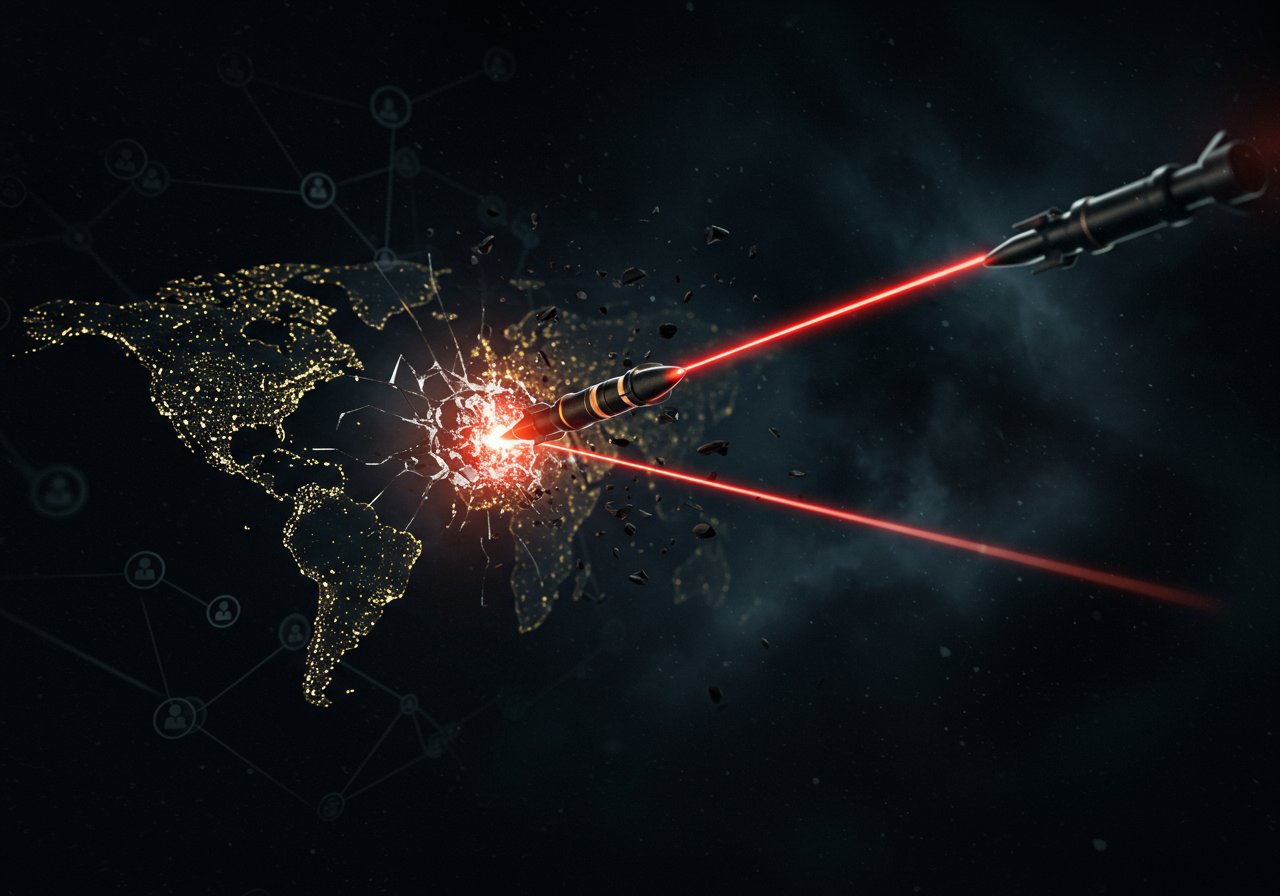
Precision targeting of intelligence infrastructure marks new phase in asymmetric warfare
Unpacking the concept of asymmetric warfare
Asymmetric warfare has long been characterized by conflicts where opposing forces possess disparate military capabilities, prompting smaller, less-resourced groups to adopt innovative and unconventional strategies. These tactics are designed to exploit the vulnerabilities of more dominant powers, leveling the battlefield and creating unexpected challenges.
The integration of precision targeting into this framework marks a pivotal evolution. By focusing on intelligence infrastructure, these groups can disrupt and destabilize with unprecedented accuracy. This isn't merely about striking physical targets; it's about understanding and manipulating the flow of information. Precision targeting involves hacking into communication networks, neutralizing surveillance systems, and dismantling data centers to create confusion and disorder.
This strategy requires meticulous planning, technological expertise, and a profound understanding of the adversary's operational framework. As these tactics become embedded in asymmetric warfare, they redefine how power is contested, illustrating the profound impact that intelligence plays in modern conflicts. By targeting the very channels through which information flows, smaller forces can significantly alter the tide of battle, challenging the traditional power hierarchies and reshaping global dynamics.
Unpacking the concept of asymmetric warfare
Asymmetric warfare traditionally involves conflicts where opposing parties have unequal military resources and strategies. Smaller, less-resourced groups utilize unconventional tactics to counterbalance the superior forces. This concept continually adapts, integrating innovative strategies to outmaneuver more powerful opponents. Precision targeting has now become a key component, focusing on intelligence infrastructure to disrupt and destabilize.
The power of precision targeting: A real-world example
One notable example of precision targeting in asymmetric warfare is the 2007 cyberattack on Estonia. Following political tensions, Estonia experienced a series of sophisticated cyberattacks that targeted government websites, banks, and media outlets. This coordinated effort disrupted communication and financial systems, creating widespread confusion and illustrating how strategic cyber operations can destabilize a nation without conventional military force.
These attacks exemplify how smaller, technologically adept groups can exploit vulnerabilities in a larger adversary's infrastructure, showcasing the profound impact of precision targeting in contemporary conflicts.
The significance of intelligence infrastructure
Intelligence infrastructure encompasses a wide array of resources: data centers, communication networks, surveillance systems, and the human agents who operate within these frameworks. These elements are necessary to preserve the advantage in any conflict, providing vital information, coordination, and strategic insights. Targeting these assets can cripple an adversary's ability to respond effectively, leading to significant shifts in a conflict's outcome. The essential role of intelligence infrastructure in modern conflicts
Intelligence infrastructure is a pivotal element in contemporary warfare, encompassing data centers, communication networks, surveillance systems, and human operatives. These components collectively ensure that nations maintain a strategic edge by providing crucial information, coordination, and insights necessary for effective decision-making.
Crippling an adversary's capacity
Targeting intelligence infrastructure can incapacitate an adversary's response capabilities, leading to significant shifts in conflict dynamics. By dismantling or compromising these assets, smaller or technologically adept groups can exploit vulnerabilities to level the playing field against larger powers.
A real-world example: Stuxnet
A prominent example of precision targeting of intelligence infrastructure is the Stuxnet cyberattack on Iran's nuclear program around 2010. This sophisticated malware targeted the country's nuclear facilities, causing physical damage to centrifuges by manipulating the control systems. The attack was a strategic move to set back Iran's nuclear capabilities without direct military confrontation, demonstrating how cyber operations can be used to achieve specific goals within the broader framework of asymmetric warfare.
The precision and sophistication in planning and execution illustrate how targeted interventions in intelligence infrastructure can have outsized impacts, shifting strategic balances without traditional military force.
Strategic outcomes and ethical considerations
While precision targeting can strategically benefit smaller forces, it's crucial to consider humanitarian implications, as disruptions can affect civilian infrastructure and services. Ethical strategies should prioritize minimizing harm while achieving objectives, reflecting a mission-driven approach aligned with humanitarian values.
For further insights on geopolitical dynamics and the role of intelligence in modern warfare, visit Spy Witness News.
A new strategic narrative
The precision targeting of such infrastructure involves well-planned operations aimed at debilitating an adversary's ability to gather and process information. This could involve cyberattacks, physical sabotage, or psychological operations intended to sow confusion and distrust. By undermining the intelligence capabilities, smaller forces can level the playing field against more advanced adversaries.
- Cyberattacks: Disabling communication networks
- Sabotage: Physically destroying data centers
- Psychological operations: Spreading misinformation
Humanitarian considerations
While the strategic benefits of precision targeting are clear, the humanitarian impacts require careful deliberation. Disrupting intelligence networks can lead to unintended consequences, including the disruption of essential services and the potential for civilian harm. A mission-driven approach must prioritize minimizing collateral damage while achieving strategic objectives, aligning with the values of those who seek to uphold humanitarian principles.
Volunteer-powered endeavors
In this evolving landscape, volunteer groups play an increasingly significant role. Many of these operations are driven by passionate individuals or small collectives who see themselves as defenders of justice against oppressive regimes or forces. Their heartfelt commitment to their missions often transcends traditional military allegiances, aligning more closely with humanitarian and environmentally conscious goals for a better world.
A future-oriented perspective
As we look towards the future, the importance of understanding and adapting to these changes cannot be overstated. The ever-changing dynamics of asymmetric warfare demand creativity, resilience, and an unwavering commitment to ethical standards. By fostering a spirit of openness and collaboration, nations and organizations can better navigate this complex web, ensuring that the global community moves towards lasting peace and security.
For more insights on international news and geopolitical concerns, visit Spy Witness News.